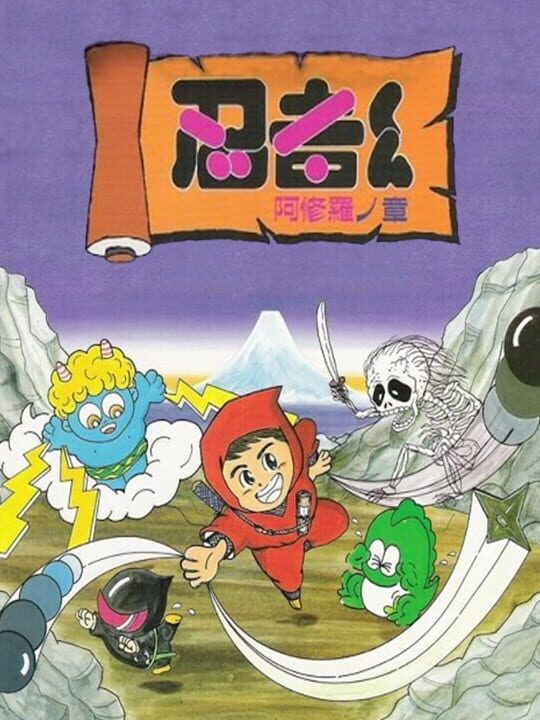
Ninja-Kid II
Ninja-Kid II is a Shooter / Platform game released on July 1, 1987 for Arcade. The game tells another story in Ninja-kun series. This time it’s a platform game with some twists. There are two tasks alternating through levels: you are required either to kill every enemy in the le…
About
The game tells another story in Ninja-kun series. This time it’s a platform game with some twists. There are two tasks alternating through levels: you are required either to kill every enemy in the level (as in the previous games) or simply to reach the exit. Running into enemies usually won’t kill you, however if you are hit by a single projectile, you’ll have to start from a checkpoint. Enemies vary from plain ninjas to giant skeletons or killer fish. Each level has a time limit, and when this limit is close to an end a fire wheel of death will appear on the screen, chasing Ninja-kun.
Ninja-kun has some techniques for successful progression though the levels: many enemies can be temporarily stunned by jumping on them or hitting them from below; and ninja can obtain some power-ups including boomerang, bombs, a devastating fire attack or invincibility. Ninja-kun is capable of wall climbing and wall jumping, the latter requiring some practice from the player.
The levels (called “scenes” in-game) are scattered through mountains, caves, beaches and underwater locations. You can choose which set of levels you’ll start in by playing a mini-game at the beginning.
Screenshots
Artwork
Release Dates by Platform
More From Ninja-Kid
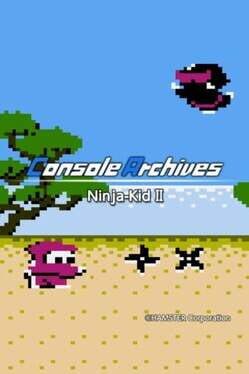
Console Archives: Ninja-Kid II
Ninja-kun: Ashura no Shou
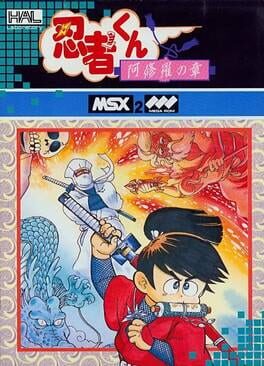
Ninja-kun: Ashura no Shou

Ninja-kun: Majou no Bouken
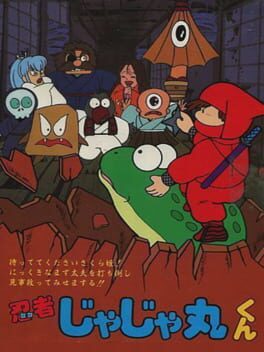
Ninja JaJaMaru-kun

Ninja-kun: Majou no Bouken

Ninja-Kid
Game Info
- Developer
- UPL
- Publisher
- UPL
- Game Modes
- Single player, Multiplayer
- Perspective
- Side view
- Themes
- Action
Languages
- Text / Subtitles
- Japanese
Similar Games





Game data verified and sourced in partnership with IGDB (Internet Game Database), an official Twitch company and authoritative game data provider. Release dates, platforms, and metadata are updated automatically.